From Freelancer to Solopreneur: Transition Guide

Solopreneur
Solopreneur
Freelancer vs Solopreneur
| Category | Freelancer | Solopreneur |
|---|---|---|
| Revenue Model | Time = Money | Value = Money |
| Scalability | Limited | Possible |
| Income Prediction | Unstable | Can be structured |
| Freedom | Client dependent | Relatively free |
Transition Considerations
Financial Preparation
Minimum preparation recommended by experts:
- Save 6+ months of living expenses
- Start alongside maintaining existing income
- Consider transition after securing first paid customer
Time Management
Initially, parallel operation is needed.
- Freelance work: Living expenses
- Product development: Evenings/weekends
- Gradual ratio adjustment
Risk Management
- Don't transition completely at once
- Maintain freelancer network
- Secure option to go back
Transition Stages
Stage 1: Idea Validation
- Discover recurring problems from freelancer experience
- Test with small tools or templates
- Collect customer feedback
Stage 2: MVP Development
- Create minimum viable product
- Test with existing freelancer clients
- Check conversion to paid possibility
Stage 3: Gradual Transition
- When product revenue reaches 50%+ of living expenses
- Reduce freelance work
- Invest more time in product
Stage 4: Complete Transition
- When living expenses can be covered by product revenue
- End or minimize freelance work
- Focus on product/business
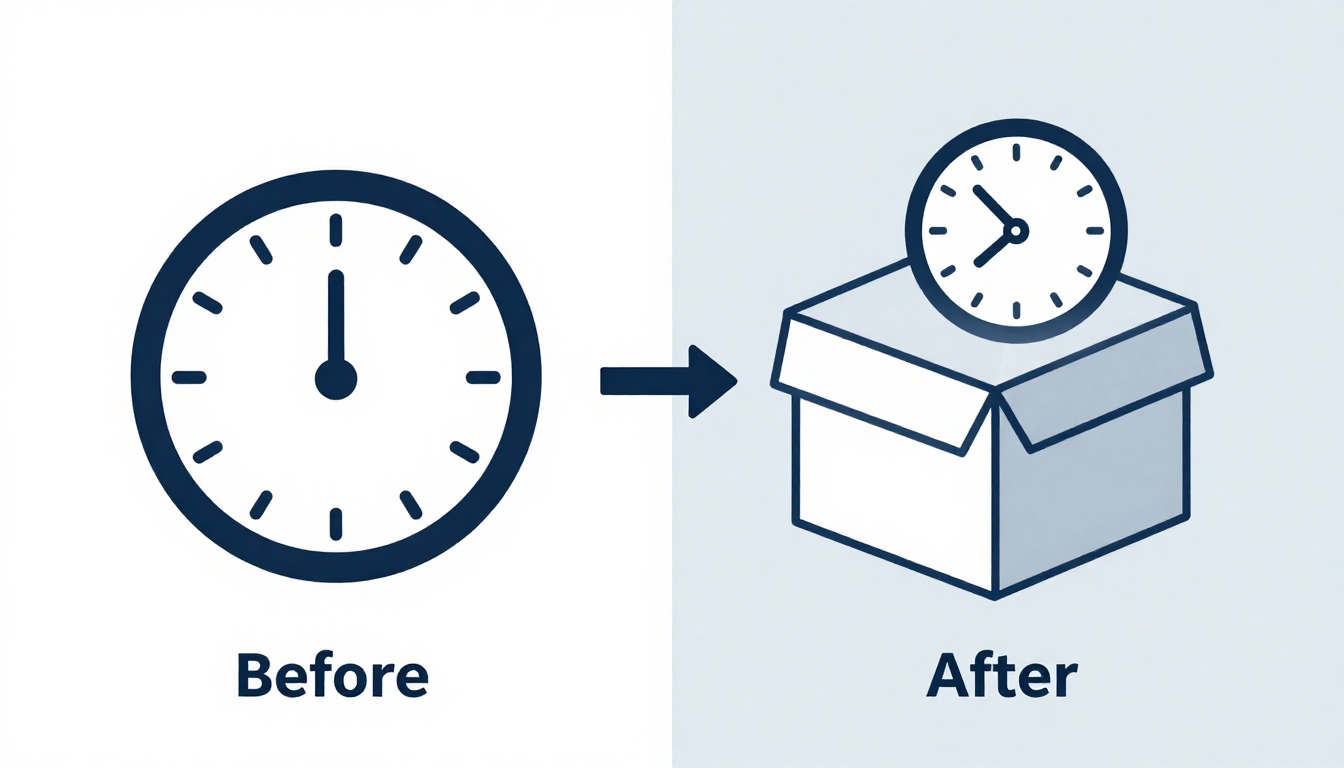
Mindset Shift
Time Perspective
- Before: "How many hours will this task take?"
- After: "How many people does this feature benefit?"
Customer Perspective
- Before: 1:1 service
- After: 1:N product
Price Perspective
- Before: Hourly rate
- After: Value-based pricing
Common Mistakes
- Rushed transition without preparation
- Giving up freelancing without revenue
- Too complex first product
- Development without customer validation