SaaS Pricing Strategy

Solopreneur
Solopreneur
Why Pricing is Difficult
Price directly impacts revenue, but there's no correct answer. Testing and iteration are required.

Note: This post referenced SaaS pricing research from ProfitWell, Price Intelligently, and others.
Pricing Models
1. Usage-based
- Charge according to usage
- Example: AWS, Twilio
- Pros: Low barrier to entry
- Cons: Difficult to predict revenue
2. Flat-rate
- Fixed monthly fee regardless of features
- Example: Basecamp
- Pros: Simplicity
- Cons: Limits upselling opportunities
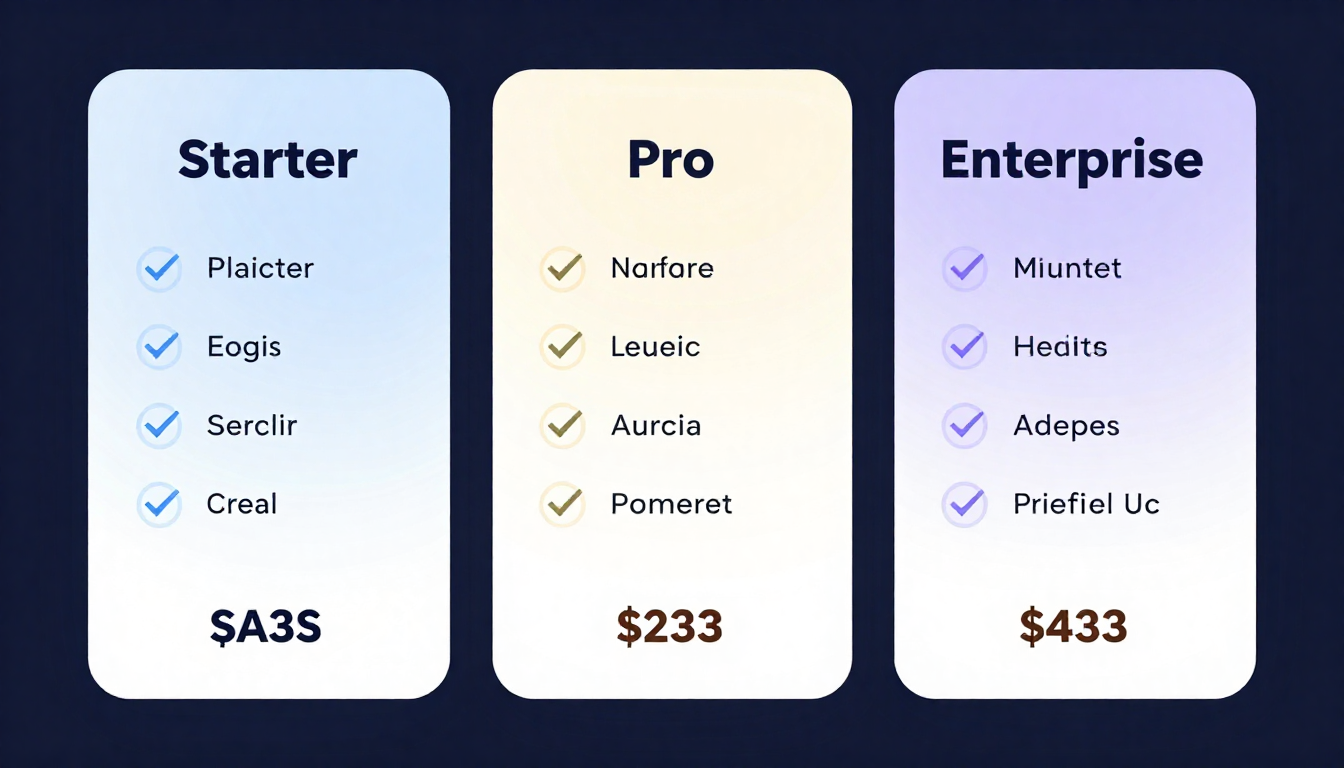
3. Tiered
- Multiple price tier options
- Example: Most SaaS
- Pros: Can accommodate various customers
- Cons: Can be confusing
Pricing Determination Framework

1. Cost-based
- Cost + margin = price
- Cons: Ignores customer value
2. Competition-based
- Reference competitor prices
- Cons: Difficult to differentiate
3. Value-based (Recommended)
- Price according to value customer receives
- Question: "How much value does this product provide to customers?"
Price Range Benchmarks
According to ProfitWell's SaaS benchmark data:
| Target | Typical Price Range |
|---|---|
| Individual/Freelancer | $10-30/month |
| Small Team | $30-100/month |
| SME | $100-500/month |
| Enterprise | $500+/month |
Common Mistakes
- Too low price - Undervaluing value, low margins
- Free plan abuse - Costs without paid conversion
- Fear of price changes - Not testing
- Complex pricing table - Customer confusion
Pricing Testing Methods
A/B Testing
- Show $19 to 50%, $29 to 50%
- Compare conversion rates
Price Increase Test
- Apply new price only to new customers
- Observe response
Annual Payment Discount
- 15-20% discount for annual payment
- Improves cash flow, reduces churn